
Twister Wins Unleashing the Thrill of Online Gaming 2033677860
November 10, 20251xBet Malaysia Esports Betting Your Ultimate Guide -1413997389
November 10, 2025
Forex Day Trading for Beginners: A Comprehensive Guide
Are you intrigued by the dynamic world of forex day trading? As a beginner, getting started can be both exciting and overwhelming. This guide will illuminate the basics of forex day trading, offering valuable insights and strategies to help you navigate your way through the currency markets. To begin your journey, you might want to check out forex day trading for beginners Best Ugandan Brokers that can provide you with the right platform.
What is Forex Day Trading?
Forex day trading refers to the practice of buying and selling currencies within the same trading day. Traders seek to capitalize on short-term price movements, aiming to profit from volatility while minimizing the risks associated with overnight positions. Unlike long-term investors, day traders focus on immediate price fluctuations, making quick decisions based on market analysis and trends.
The Basics of Forex Trading
Before diving into day trading, it’s essential to understand some fundamental concepts of forex trading:
- Currency Pairs: In forex, currencies are traded in pairs (e.g., EUR/USD, GBP/JPY). A currency pair represents the value of one currency in relation to another.
- Pips: A pip is the smallest price movement in a currency pair. It’s crucial for measuring changes in currency value.
- Leverage: Forex brokers often provide leverage, allowing traders to control larger positions with a smaller amount of capital. However, leverage can amplify both profits and losses.
- Spread: The spread is the difference between the bid and ask price of a currency pair. It represents the cost of trading and should be taken into consideration when entering and exiting trades.
Understanding Forex Charts and Technical Analysis
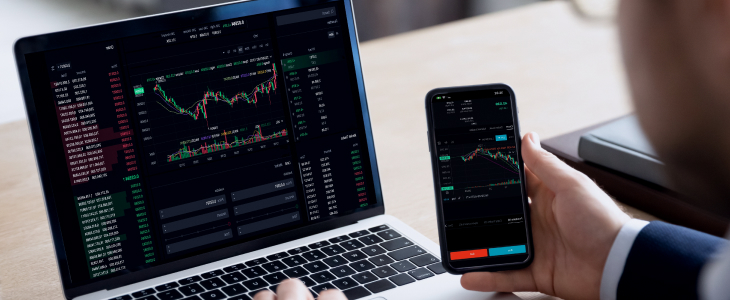
Successful day trading relies heavily on technical analysis. Understanding forex charts and being able to read them effectively are key skills every trader should develop. Traders often utilize various types of charts, including:
- Line Charts: These charts display the closing prices over a specific period, providing a straightforward view of price movement.
- Bar Charts: Bar charts offer more information than line charts, showing the opening, closing, high, and low prices for a given period.
- Candlestick Charts: Candlestick charts are popular among traders due to their visual appeal and ability to convey information quickly. Each candle represents price movement over a specific time frame.
Analyzing these charts can help traders identify trends, reversal patterns, and potential entry and exit points. Fundamental analysis, which considers economic indicators and news events, can also complement technical analysis, providing a holistic view of the market.
Strategies for Day Trading
Developing a trading strategy is essential for success in forex day trading. Various strategies cater to different trading styles and risk tolerance levels. Here are some popular day trading strategies:
- Scalping: Scalpers aim to make small profits from numerous trades throughout the day, holding positions for seconds to minutes.
- Momentum Trading: This strategy involves identifying strong price movements and entering trades that align with the momentum, either upward or downward.
- Range Trading: Range traders buy at the lower end and sell at the higher end of a price range, seeking to profit from market oscillations.
- News Trading: Traders following this strategy capitalize on market volatility triggered by economic news releases or announcements.
Each strategy has its advantages and risks, and traders should continuously refine their approach based on experience and market conditions.
Risk Management in Forex Day Trading
One of the most critical aspects of trading is managing risk. Successful day traders prioritize risk management to protect their capital. Here are some key principles of risk management:
- Set Stop-Loss Orders: A stop-loss order helps limit losses by automatically closing a position when it reaches a predefined price point.
- Determine Position Size: Calculating the appropriate position size based on account balance and risk tolerance is vital for maintaining effective risk management.
- Use Risk-Reward Ratios: Establish a risk-reward ratio for each trade to ensure that potential profits justify the risks taken.
- Avoid Over-Leverage: While leverage can amplify profits, excessive use increases the risk of substantial losses. Use leverage judiciously to protect your account.
Choosing the Right Forex Broker
Selecting a reputable forex broker is a crucial step for any aspiring trader. A good broker should offer a user-friendly trading platform, competitive spreads, and reliable customer support. Here are a few factors to consider when choosing a forex broker:
- Regulation: Ensure the broker is regulated by a reputable authority to protect your funds and maintain transparency.
- Trading Platform: Look for a broker that offers a trading platform you find easy to use, with advanced charting tools and features.
- Customer Support: Reliable customer support is essential for addressing any issues that may arise during trading.
- Educational Resources: A broker that provides educational materials can be beneficial for beginners looking to learn and grow their trading skills.
Conclusion
Forex day trading can be a rewarding venture for those willing to invest the time and effort to learn. By understanding the basics, mastering technical analysis, developing a trading strategy, and implementing effective risk management techniques, you can increase your chances of success in the foreign exchange market. Remember, continuous practice and refinement of your approach are key to becoming a proficient day trader. As you embark on this journey, take advantage of resources and brokers that align with your goals, and always keep learning. Happy trading!
