
The Ultimate Guide to Casino Ocean Breeze UK Experience Gaming Like Never Before
November 8, 2025The Evolution of the Betting Market Trends, Challenges, and Opportunities
November 8, 2025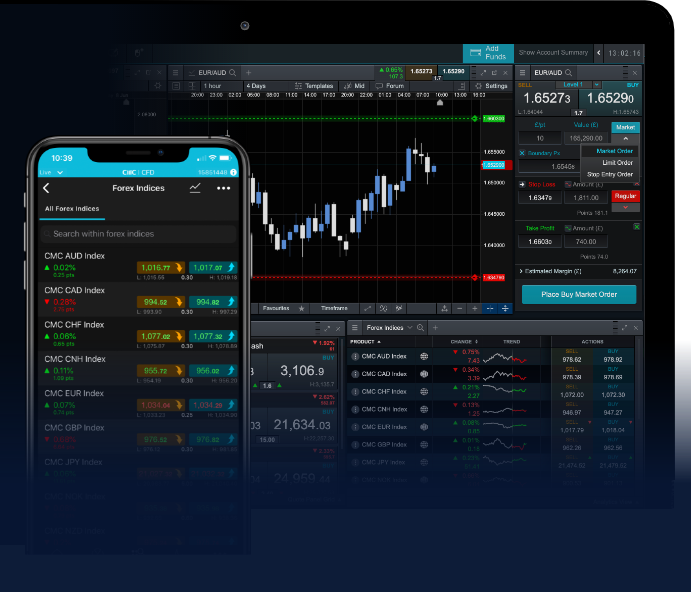
Forex Trading Basics: A Beginner’s Guide to Success
Forex trading is an exciting yet complex marketplace that allows individuals to exchange one currency for another. For beginners, it can seem overwhelming with its array of terminologies, strategies, and market dynamics. This guide aims to simplify the core concepts of forex trading, making it easier for novices to understand the essentials and start their journey in the forex market. If you’re seeking forex trading basics beginners guide Forex Brokers in Jordan, understanding these fundamentals will equip you with the knowledge necessary to navigate the trading landscape effectively.
What is Forex Trading?
Forex trading, or foreign exchange trading, involves buying one currency while simultaneously selling another. Currencies are traded in pairs, with the value of one currency being expressed in terms of another. The forex market is the largest financial market in the world, with trillions of dollars traded daily. Unlike stock markets, the forex market operates 24 hours a day, five days a week, providing extensive opportunities for traders to enter and exit the market.
Understanding Currency Pairs
In forex trading, currencies are always quoted in pairs, such as EUR/USD (Euro/US Dollar) or USD/JPY (US Dollar/Japanese Yen). In these pairs, the first currency is known as the “base currency,” while the second is called the “quote currency.” The price of the pair indicates how much of the quote currency is needed to purchase one unit of the base currency. For instance, if the EUR/USD pair is trading at 1.10, it means that 1 Euro can be exchanged for 1.10 US Dollars.
Major, Minor, and Exotic Currency Pairs
Currency pairs can be classified into three categories:
- Major Pairs: These include the most traded currencies, such as EUR/USD, USD/JPY, and GBP/USD. They typically have the highest liquidity and lower spreads.
- Minor Pairs: These pairs do not include the US Dollar, such as EUR/GBP or AUD/NZD. They are less liquid and may have wider spreads compared to major pairs.
- Exotic Pairs: These pairs consist of one major currency and one currency from a developing or smaller economy, such as USD/TRY (US Dollar/Turkish Lira). Exotic pairs generally have low liquidity and higher volatility.
The Importance of Forex Trading Sessions
The forex market is divided into different trading sessions based on global financial centers. The four primary trading sessions are:
- Asian Session: Initiates the trading day and includes major markets like Tokyo. It is generally the least volatile session.
- European Session: Begins after the Asian session and is known for high volatility due to the overlap with both Asian and North American markets.
- North American Session: Centered around New York, it is one of the most active sessions and sees significant trading volume.
- London Session: This overlaps with both the Asian and North American sessions, leading to increased volatility and liquidity.
Key Concepts in Forex Trading
Understanding the following terms is crucial for beginners:
- Spread: The difference between the bid price (what buyers are willing to pay) and the ask price (what sellers are asking). A narrower spread indicates higher liquidity.
- Leverage: A mechanism that allows traders to control larger positions with a smaller amount of capital. While leverage can amplify profits, it can also exacerbate losses.
- Pip: The smallest price move that a given exchange rate can make based on market convention. Most currency pairs are quoted to four decimal places, so a move from 1.1000 to 1.1001 is one pip.
- Margin: The amount of capital required to open and maintain a leveraged position. Margin trading allows traders to increase their potential returns.

Effective Forex Trading Strategies for Beginners
Developing a trading strategy is essential to achieving consistent success in forex trading. Here are a few strategies suitable for beginners:
- Trend Following: This strategy involves identifying and trading in the direction of the prevailing market trend, using technical indicators to help determine entry and exit points.
- Range Trading: In a ranging market, prices oscillate between defined support and resistance levels. Traders buying at support and selling at resistance can capitalize on these price movements.
- Breakout Trading: This strategy focuses on identifying key price levels where the asset price breaks out of established ranges, indicating potential future movement.
Choosing the Right Forex Broker
Selecting a reputable forex broker is crucial for trading success. Here are some key factors to consider:
- Regulation: Ensure that the broker is regulated by a recognized financial authority, which provides a level of security for your funds.
- Trading Platforms: Choose a broker that offers a user-friendly trading platform, preferably with a demo account for practice.
- Fees and Spreads: Compare the spreads and commissions across different brokers to find the most cost-effective option.
- Customer Support: Reliable customer support is essential, especially in case of technical issues or account inquiries.
Conclusion
Forex trading offers endless opportunities, but it also requires a sound understanding of its principles. By grasping the basics of currency pairs, trading sessions, and key concepts such as pips, spreads, and leverage, beginners can build a solid foundation. Moreover, adopting robust trading strategies and choosing the right broker is integral to achieving trading success. As you embark on your forex trading journey, remember that continuous learning and practice are key to honing your skills and strategies in this dynamic market environment.
