
100 percent free Casino games Play for Fun 22,700+ Demo Video game
May 12, 2026£dos,000 Anticipate + 20 100 percent free Spins
May 12, 2026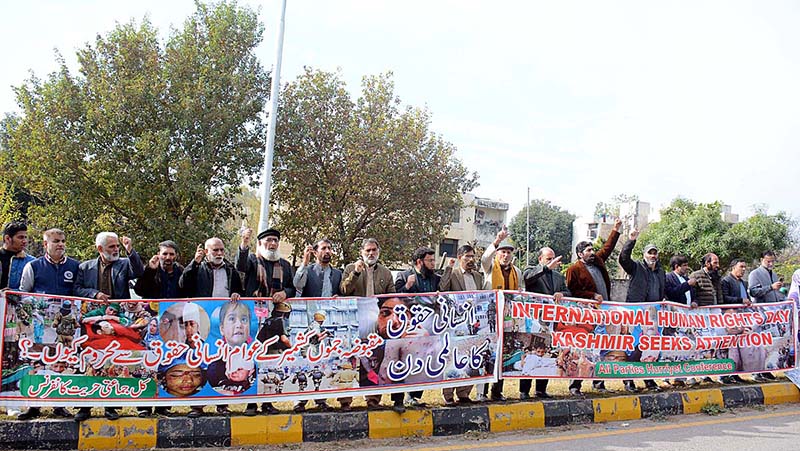
Voices Rising: The Global Movement Against Human Rights Violations
The fight against human rights violations is a cause that transcends borders, languages, and cultures. As individuals and communities continue to rise up in protest against abuses of power, we witness the formation of a global solidarity movement that champions the fundamental rights of every human being. The urgency of this movement cannot be overstated, as countless individuals still suffer under oppressive regimes. An organized effort, whether through protests, advocacy, or legal means, is essential to raise awareness and combat these violations effectively. For those interested in exploring how to join the movement, there are various resources available, including a guide on protest against human rights violations.
The Historical Context of Human Rights Protests
Human rights protests have a rich history that reflects the struggles faced by marginalized populations throughout time. From the abolition of slavery to the civil rights movement in the United States, the quest for equality and justice has driven many to the streets to demand change. The United Nations Declaration of Human Rights, adopted in 1948, was a pivotal moment in this ongoing struggle; it provided a framework to advocate for the rights and freedoms to which every individual is entitled. Despite this progress, violations persist globally, from state-sanctioned violence to systemic discrimination. Understanding the historical context of these movements helps to amplify current efforts and highlights the necessity of ongoing activism.
Current Global Landscape
In recent years, we have witnessed a surge in protests against human rights violations across the globe. Movements such as Black Lives Matter, #MeToo, and the pro-democracy protests in Hong Kong illustrate the urgent desire for accountability and justice. Each of these movements focuses on their specific causes, yet they all share a common thread: the fight against oppression and inequality. In countries like Belarus, Myanmar, and Iran, citizens continue to face government brutality while calling for transparency, democracy, and respect for human rights. Social media plays a crucial role in these movements, enabling activists to share their stories and gather support internationally.
The Role of Social Media
Social media has transformed the landscape of protest movements. Platforms like Twitter, Instagram, and Facebook allow users to mobilize quickly, disseminate information, and connect with like-minded individuals. Hashtags have become powerful tools for raising awareness and rallying support. For instance, movements like #FreePalestine and #SOSCUBA have garnered significant attention, urging international communities to take action. Yet, the same platforms can also be exploited by oppressive regimes to spread misinformation and silence dissenters. Activists must navigate this complex environment carefully, ensuring they use these tools to further their cause without falling victim to state surveillance or repression.
Legal and Non-violent Means of Activism
While protests are vital, they are just one aspect of a broader human rights campaign. Legal activism plays a crucial role in holding violators accountable. Organizations like Amnesty International and Human Rights Watch are invaluable resources, advocating for policy changes and documenting abuses. Activists can engage in non-violent resistance, such as petitions, letter-writing campaigns, and legal challenges, to press for change without resorting to confrontation. Various strategies can complement protests, creating a comprehensive approach to addressing human rights abuses and pressing for justice.
Strategies for Effective Protest
Successful protest movements rely on strategic planning, clear messaging, and coalition-building. Organizing protests requires a nuanced understanding of the issues at hand and the demographics of the region you are addressing. Building coalitions with local organizations, engaging community leaders, and involving those directly affected by the violations can enhance credibility and effectiveness. Diverse tactics, including peaceful marches, rallies, and digital campaigns, should be deployed to reach a broad audience. Moreover, ensuring that the messaging is inclusive and resonates with various community intersections encourages wider participation and solidarity.
Challenges and Setbacks
Protests against human rights violations are not without challenges. Activists often face threats, violence, and arrest from authorities, particularly in authoritarian regimes. The risk of backlash necessitates careful planning and risk assessment. Additionally, disillusionment can set in if protest efforts do not yield immediate results. The slow pace of change can be frustrating, yet enduring hope, resilience, and community support are vital in overcoming these obstacles. History shows that sustained efforts, even in the face of adversity, can lead to dramatic shifts in societal norms and policies.

How to Get Involved
For individuals wishing to support human rights movements, there are numerous avenues available. Engaging with local organizations, participating in protests, and advocating for policy changes can contribute to broader efforts. Staying informed and educated about human rights issues both locally and globally is essential for effective advocacy. Moreover, amplifying the voices o
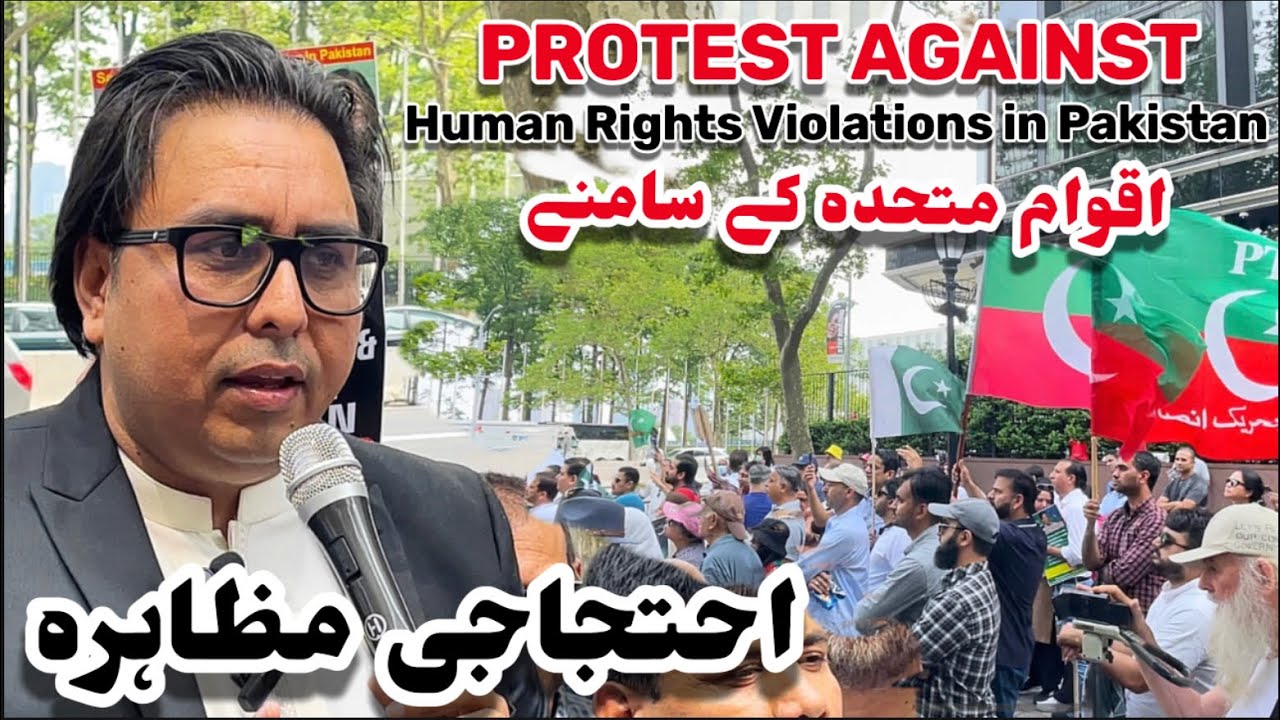
f those directly impacted by human rights abuses ensures that their stories are heard and their needs are addressed. By uniting in this shared cause, individuals and communities can create a formidable force for change.
Conclusion: A Collective Responsibility
The fight against human rights violations is a collective responsibility that requires constant vigilance and action. As we bear witness to the injustices faced by our global neighbors, we must answer the call to act. Whether through protest, advocacy, or legal means, every effort counts. The history of successful human rights movements teaches us that the power of the people can lead to transformative change. Taking action today paves the way for a more just tomorrow—one where human rights are universally respected and upheld.
